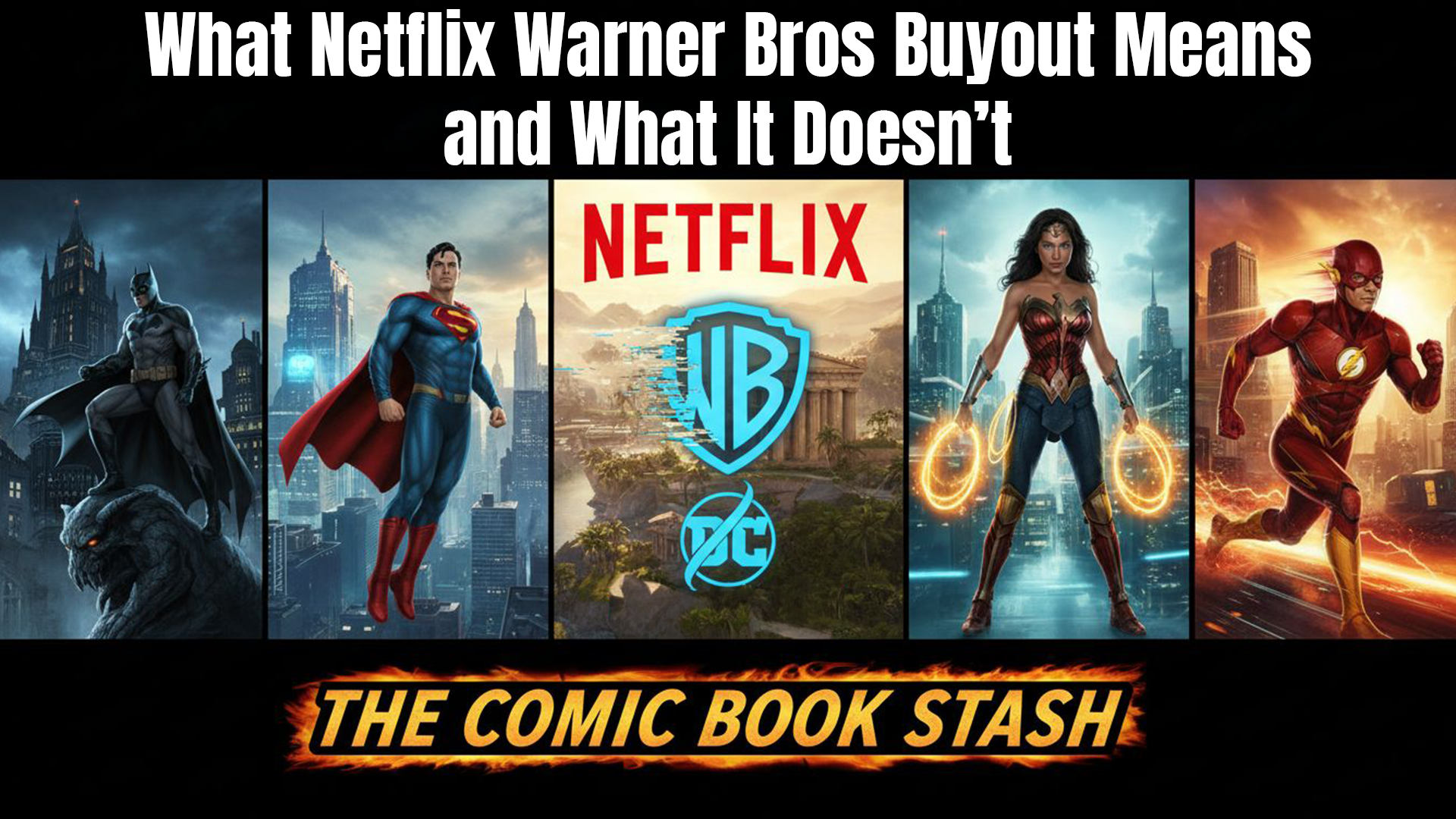
With Netflix acquiring Warner Bros and inheriting DC’s film & TV future, many fear Hollywood’s transformation spells the end of theaters and creativity. At The Comic Book Stash, we focus on what this means for DC, not the rest of the fallout, and why streaming might have been a lifeboat, not a wrecking ball.
LEDE…
As Netflix finalizes its historic acquisition of Warner Bros. complete with its storied studios, the HBO Max streaming service, and all of DC’s film and television assets, the aftershocks are loud, wide, and often bitter. Headlines talk about “the end of Hollywood as we know it.” Studio lots are trembling. Theater owners and industry guilds are mobilizing.
At The Comic Book Stash, though, our compass stays pointed at one thing, “What this means for DC.” Because yes, this deal changes everything. But there’s a deeper story, about why Hollywood was already faltering, why streaming mattered, and why there still might be room for hope.
What Everybody’s Talking About… The Blowback
- Antitrust Alarm Bells: Critics across the board, from lawmakers to creatives, are warning this deal could give Netflix near-unprecedented control over both content and distribution.
Reuters+2Benzinga+2 - Theater Industry Panic: Trade groups like Cinema United say the deal threatens up to 25% of annual domestic box office revenue if Warner Bros films shift toward streaming-first releases.
Reuters+2Los Angeles Times+2 - Union & Creative Community Pushback: The Writers Guild of America (WGA), guilds, and many directors/actors express fear over reduced opportunities, fewer distinct voices, and homogenized content.
Variety+2AP News+2 - Cultural Anxiety Over Hollywood’s Loss: For many fans, creatives, and cinephiles, it’s not just about business: it’s about identity, heritage, and what theaters meant to generations. The emotional weight is real.
AP News+1
It’s not hyperbole: many see this as a turning point where control over billions of stories becomes centralized under one roof.
But Let’s Take a Step Back… The Real Disruption Happened Before Netflix
It’s tempting to pin the demise of theatrical culture on Netflix. But the truth is more complicated and doesn’t lay blame solely on them…
- The decline in traditional film-going began well before this deal. Over the past decade, viewers started shifting toward streaming for the convenience, affordability, and on-demand access.
- Then came the global shock of the COVID-19 pandemic… Theaters shut down, release schedules collapsed, and audiences were forced indoors. Streaming wasn’t the cause, it was often the only viable way to consume new content.
- In many ways, Netflix (and other streamers) preserved storytelling when traditional infrastructures failed. They kept writers paid, directors working, and studios afloat, even and especially when theaters were dark.
So bolting the blame solely to Netflix ignores that the film ecosystem was already under stress long before this acquisition.
Editorial Note from The Comic Book Stash…
I want to make something clear before we dive any deeper into what the Netflix buyout means for DC. We are a Comic Book-focused publication. We are not here to analyze every business ripple or pass judgment on the entire entertainment industry. Our mission here is to follow the future of DC Comics stories, creators, and characters, and that is where our attention will remain during this buyout.
That said, I hear the fear out there. I hear the anger. Many in Hollywood are worried that this deal marks another giant step toward a future where theaters disappear, where creativity is squeezed, and where a single corporation decides what stories get told. Guilds and lawmakers have already raised alarms about shrinking opportunities and industry consolidation.
Benzinga+2Reuters+2
But there’s a bigger truth underneath all of this: Netflix didn’t take theaters away from us. COVID did. Cinemas around the world shut down, release schedules collapsed, and the movie-going habit broke long before Netflix bought Warner Bros. Streaming didn’t spark that shift; it stepped into a void when theaters literally could not operate.
So yes, people feel like this deal is “the death of Hollywood,” and I understand why. We all grew up in theaters. We all remember opening-night energy and strangers cheering together in the dark. I don’t want that gone any more than anyone else does. But blaming Netflix alone ignores the reality of how the world changed. If anything, streaming services helped storytelling survive when everything else shut down.
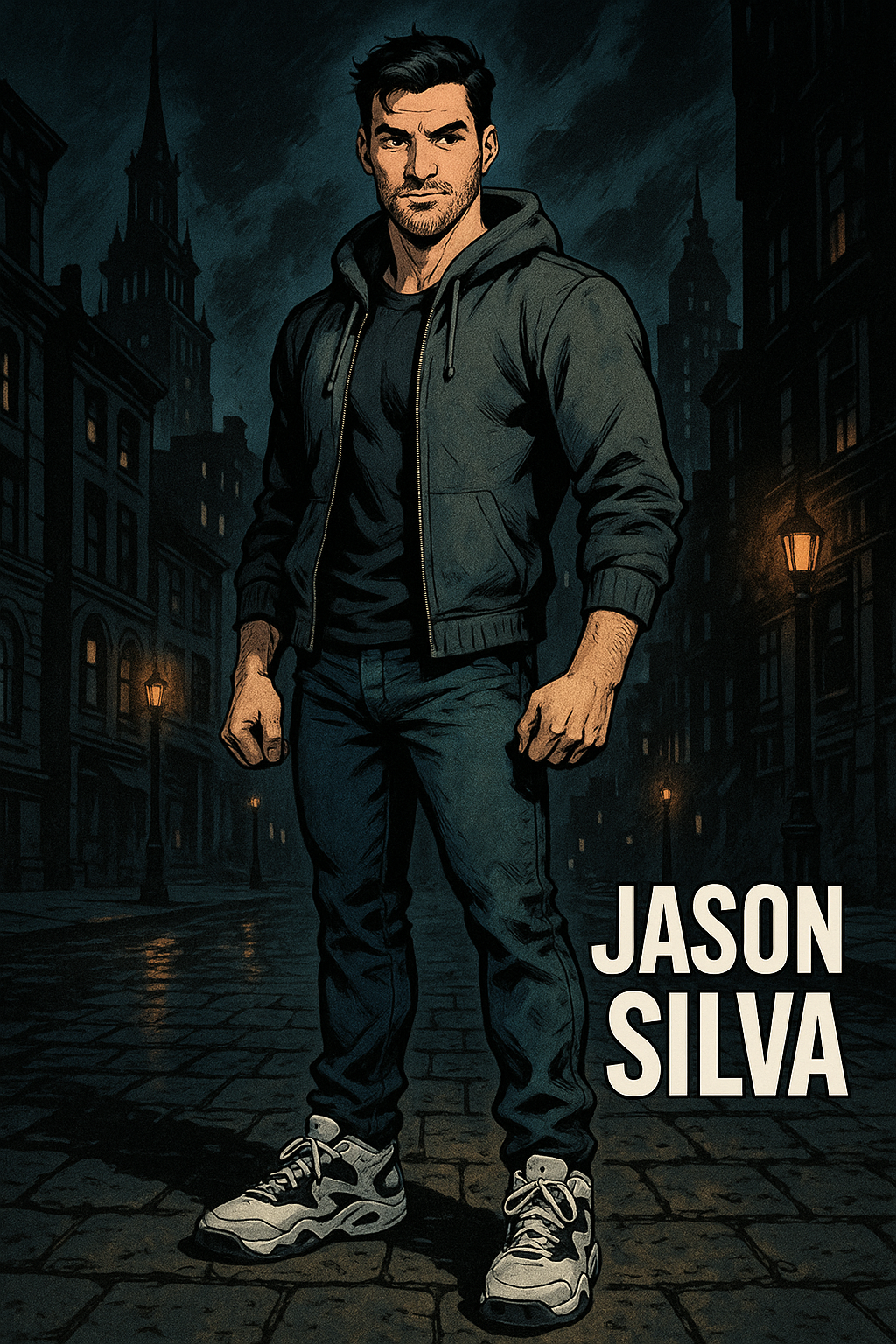
For us here at The Comic Book Stash, this is not a eulogy. This is an inflection point. A moment where DC, after years of resets, panic pivots, and abandoned visions might finally get a stable home, consistent leadership, and the space to build something bold again. And that’s the part of this story we’re here to follow. ~ Jason Silva, Editor-In-Chief.
Netflix Buys Warner Bros. What It Means for DC Comics
What This Could Mean, Specifically for DC…
Because this deal centers on studios + streaming + DC’s IPs, there are some possibilities that this feels almost tailor-made for a “DC renaissance.”
- Creative stability over box office panic: With subscription-based revenue instead of ticket sales, DC titles could be judged on long-term value rather than opening weekend numbers. That opens the door for risk-taking: bold stories, slower build-ups, serialized arcs instead of forced event-films.
- Global reach PLUS scale: Netflix’s worldwide footprint may let parts of DC’s universe that never got wide theatrical release finally find audiences. Mid-budget DC films, niche stories, or under-loved characters could find new life.
- Cinematic universe restructuring: Freed from the pressure to produce a blockbuster every 12 to 24 months, DC could restructure its franchise roadmap… Leaner solo films, more careful build towards bigger crossovers, serialized storytelling, maybe even more faithful adaptations of comic arcs.
- Opportunity for new voices & fresh directions: Streaming-first production can lower the bar for experimentation. DC may see more creative, auteur-driven films or smaller, character-driven stories that wouldn’t survive a traditional theatrical model.
If handled right, this could mark the beginning of a new golden age for DC on screen.
But The Risk Is Real… This Isn’t a Guaranteed Win
We shouldn’t pretend this is all upside.
- Industry consolidation can reduce diversity… If one company controls a disproportionate share of content and distribution, there’s a real risk of homogenization; fewer voices, fewer experiments, fewer “weird” or niche stories.
- Theatrical release… The shared, communal experience of the cinema may further erode if streaming becomes the default. That’s not just about revenue, it’s culture, memory, social ritual.
- Oversight, regulation, and creative freedom matter… If the merger gets blocked or heavily modified, all of this potential could get tangled in red tape or diluted compromises.
So whether this turns into a renaissance or a retrenchment depends a lot on how Netflix treats DC, and how willing the creators are to push for ambitious, faithful storytelling.
What to Watch Next… For DC Fans
- How soon will we see a Netflix-backed DC slate announced? Will there be major reboots or faithful continuations?
- Will DC films and series lean into darker, mythic, or “comic-accurate” tones or stay safe and broadly appealing?
- Will iconic franchises like Superman, Batman, Wonder Woman, or Justice League shift back toward serialized, character-driven storytelling instead of event tentpoles?
- Will smaller characters or lesser-known corners of the DC universe get room to breathe (e.g. Green Lantern, Sandman, Teen Titans)?
- Finally: will there still be theatrical releases or a hybrid model? Will fans still have theater nights or is streaming the new normal?
Closing Thoughts…
There is real fear, and real uncertainty. The concerns from theater owners, workers, creatives, and audiences are valid. This deal is big. Perhaps too big.
But casting Netflix or this acquisition as the sole villain ignores a more nuanced truth: Hollywood was already shifting long before today. Streaming didn’t kill theaters. COVID did. What streaming did was keep stories alive when the usual infrastructure collapsed.
For DC and for fans, this may be a hard reset. But it might also be a second chance: a chance to rebuild, to re-imagine, to let creators breathe, and to give legendary characters the cinematic justice they deserve.
This is what The Comic Book Stash is here for. We’ll be watching. We’ll be analyzing. And we’ll be rooting for DC’s rebirth.
Leave a Reply